Preloader

Frozen Embryo Transfer in Turkey

Frozen Embryo Transfer (FET) is a fertility treatment procedure in which embryos created during a previous IVF cycle are thawed and transferred to the uterus at a later time. For patients considering fertility treatment in Turkey, FET offers flexibility in treatment timing and allows medical teams to plan embryo transfer under carefully controlled conditions.
FET is not a shortcut or a guarantee of pregnancy. It is a medically planned procedure that depends on embryo quality, uterine readiness, and individualized clinical decision-making. The use of frozen embryos does not remove biological variability, but it can provide additional options within IVF treatment planning.
This page explains what frozen embryo transfer involves, when it may be recommended, how the FET process works in Turkey, and what international patients should understand before proceeding.

OUR COMMITMENT

What Is Frozen Embryo Transfer (FET)?

Frozen Embryo Transfer refers to the transfer of embryos that were previously created through IVF and cryopreserved (frozen) for later use. Instead of transferring embryos during the same cycle as egg retrieval, embryos are stored and transferred in a separate cycle.
The purpose of FET is to allow embryo transfer to take place when the uterine environment is considered optimal, based on medical evaluation and treatment planning. FET is a common part of modern IVF practice and may be recommended for medical, logistical, or strategic reasons.
FET does not alter the genetic quality of embryos and does not guarantee implantation or pregnancy.

DOCTOR-LED TRUST

When Is FET Recommended?

FET may be recommended in a variety of clinical situations. The decision to use frozen embryos is made based on medical findings and treatment strategy rather than patient preference alone.
Common reasons FET may be considered include:
Each case is evaluated individually to determine whether FET is appropriate.

OUR FUN FACTS

Fresh Transfer vs Frozen Embryo Transfer

Patients often ask about the difference between fresh embryo transfer and FET. While both approaches aim to achieve pregnancy, they differ in timing and clinical planning.

Fresh transfer involves placing embryos into the uterus during the same cycle as egg retrieval. FET, on the other hand, separates embryo creation and transfer into different cycles.

Potential considerations when choosing FET include:

The choice between fresh transfer and FET is based on medical suitability rather than a universal preference.
How Frozen Embryo Transfer Works in Turkey

ICSI treatment in Turkey follows the same scientific principles as elsewhere and is performed as part of an IVF cycle. The steps are integrated into the overall IVF process.

The FET process begins with a medical consultation to review prior IVF treatment, embryo status, and patient health. This consultation helps determine whether FET is appropriate and how the transfer cycle should be planned.

Medical review may include:

Assessment of previous IVF outcomes

Review of embryo development and storage

Evaluation of uterine health

Discussion of treatment timing

At drgonenc.com, FET planning is guided by specialist assessment under the care of Dr. Ali İhsan Gönenç, with emphasis on individualized evaluation and patient understanding.

Preparing the uterine lining (endometrium) is a critical part of FET. The goal is to create conditions that support embryo implantation.

Endometrial preparation may involve:

Natural cycle monitoring

Hormonal support using estrogen and progesterone

Ultrasound assessment of lining thickness

Timing adjustments based on response

The preparation protocol is selected based on patient characteristics and prior treatment history.

On the day of transfer, frozen embryos are carefully thawed in the laboratory. Not all embryos may survive the thawing process, and survival rates can vary depending on embryo quality and freezing technique.

Embryologists assess embryo viability after thawing before proceeding with transfer planning.

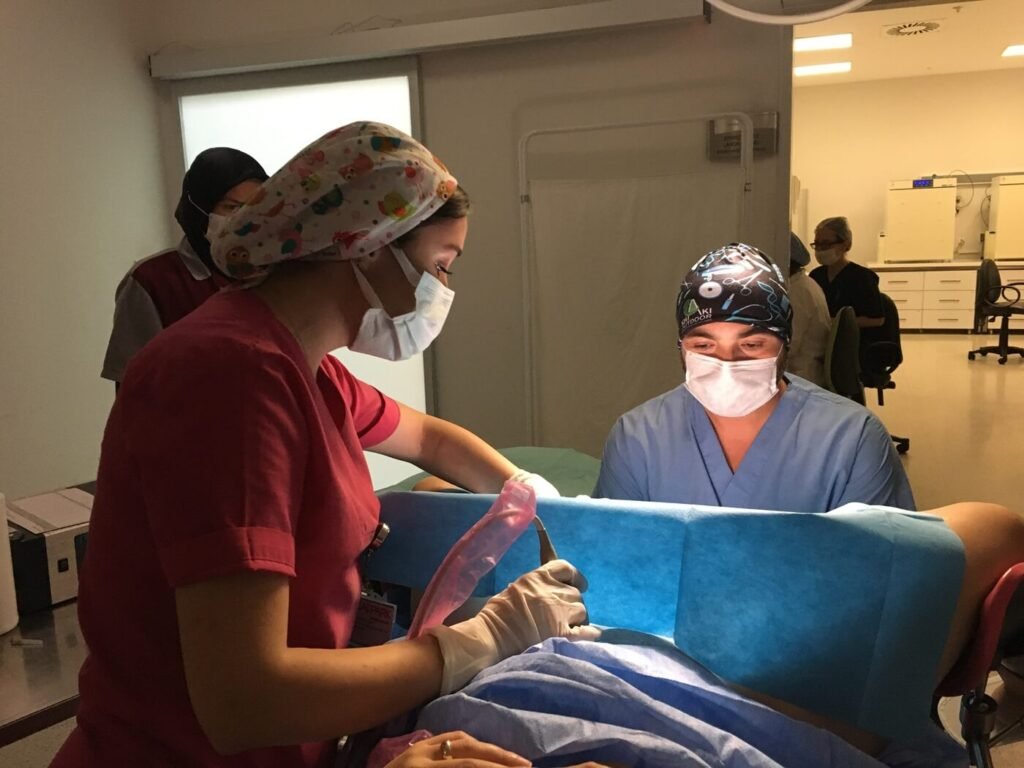
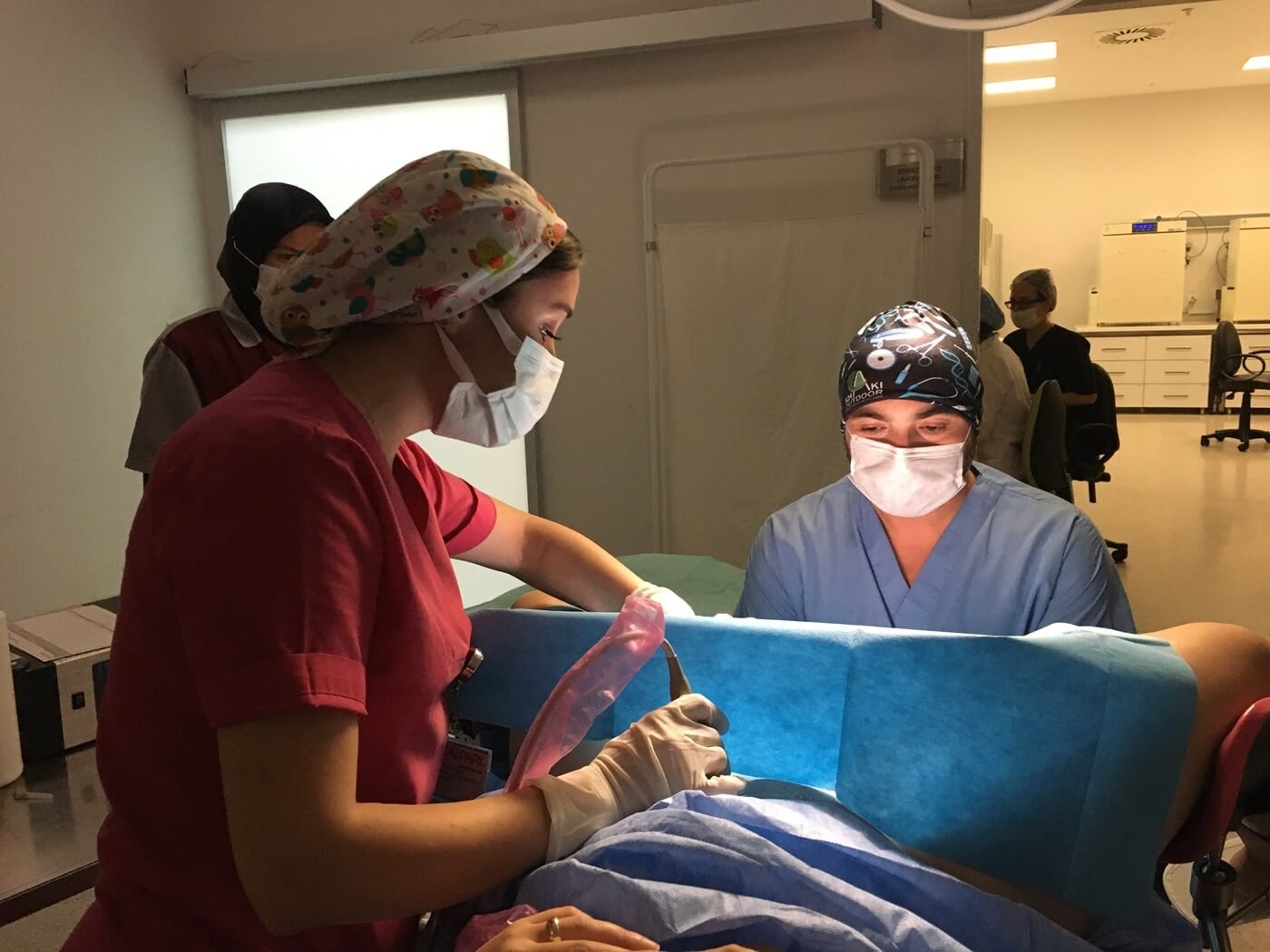
Embryo transfer is a short, minimally invasive procedure that does not typically require anesthesia. Using ultrasound guidance, the embryo is placed into the uterus through a thin catheter.

After transfer, patients receive guidance regarding activity, medications, and follow-up. Most patients are able to resume normal daily activities shortly after the procedure.

After embryo transfer, patients enter the waiting period before pregnancy testing. Hormonal support may continue during this phase as prescribed.

Pregnancy testing is scheduled based on the treatment plan. Follow-up consultation is provided regardless of outcome to discuss results and next steps.

For international patients, follow-up communication may continue remotely after returning home.
DOCTOR-LED TRUST

Factors That Influence FET Outcomes

FET outcomes depend on multiple factors, and results vary between patients. Important considerations include:
No single factor determines outcome, and ethical fertility care avoids guarantees or fixed expectations.

OUR COMMITMENT

Risks and Side Effects of Frozen Embryo Transfer

Frozen embryo transfer is generally considered safe when performed under medical supervision. However, potential risks and side effects exist, as with all medical procedures.
Possible considerations include:
Patients receive guidance on recognizing symptoms and when to seek medical advice.

SERVICES

Frozen Embryo Transfer Cost Considerations in Turkey

The cost of FET varies depending on medical needs, medication use, monitoring requirements, and whether additional procedures are involved.
Patients should understand that:
Transparent discussion of costs is part of ethical fertility care.

OUR COMMITMENT

FET for International Patients in Turkey

International patients often choose FET due to its flexible timing and reduced need for prolonged stays. FET cycles may be planned to minimize time spent abroad while maintaining medical standards.
Support for international patients may include:
Medical suitability remains the priority when planning treatment.

HOW IT WORK

Ethical Considerations in FET Treatment

Frozen embryo transfer involves ethical and emotional considerations related to embryo storage, use, and decision-making. Responsible fertility care emphasizes patient autonomy and informed consent.
Ethical principles include:

Clear explanation of options and limitations

Respect for patient decisions

Avoidance of unrealistic expectations

Transparent documentation and consent

FET is approached as a medical option, not a guaranteed outcome.

Frequently Asked Questions About Frozen Embryo Transfer in Turkey

Outcomes vary by patient. FET may be appropriate in certain situations but does not guarantee better results.
Cycle length varies but often spans several weeks, depending on preparation method.
The procedure is usually brief and causes minimal discomfort.
Yes, with appropriate medical evaluation and coordination.
No. Embryo survival and suitability vary.

JOIN US TODAY

Planning Frozen Embryo Transfer in Turkey

Frozen embryo transfer offers flexibility within IVF treatment but requires careful planning, medical evaluation, and realistic expectations. Understanding how FET works helps patients approach treatment with clarity and confidence.
If you are considering frozen embryo transfer in Turkey, a medical consultation is the first step to assess suitability and discuss individualized options.