Preloader

ICSI Treatment in Turkey

ICSI (Intracytoplasmic Sperm Injection) is an advanced laboratory technique used as part of IVF treatment to assist fertilization in specific medical situations. For patients considering fertility treatment in Turkey, ICSI may be recommended when standard fertilization methods are unlikely to be effective.
ICSI is not a separate fertility treatment from IVF but rather a specialized fertilization technique performed during the IVF process. The decision to use ICSI is based on medical evaluation, particularly in cases involving male factor infertility or previous fertilization challenges.
This page explains what ICSI treatment involves, who may benefit from it, how the process works in Turkey, and what patients should understand before proceeding.

OUR COMMITMENT

What Is ICSI?

ICSI is a laboratory procedure in which a single sperm is carefully injected directly into an egg using specialized microscopic instruments. This technique bypasses some of the natural barriers to fertilization and may improve the likelihood of fertilization in certain cases.
ICSI does not increase egg quality or guarantee embryo development. Instead, it assists fertilization when sperm-related factors make conventional fertilization less effective.
ICSI is performed within an IVF laboratory setting by trained embryologists under strict protocols.

DOCTOR-LED TRUST

When Is ICSI Recommended?

ICSI is not used routinely for all IVF patients. It is recommended only when specific medical indications are present.
Common reasons ICSI may be considered include:
The decision to use ICSI is made after careful evaluation of sperm analysis and prior treatment outcomes.

DOCTOR-LED TRUST

ICSI and Male Factor Infertility

Male factor infertility is one of the most common reasons for recommending ICSI. In cases where sperm quality or quantity is significantly reduced, ICSI allows fertilization to occur even when natural sperm penetration is unlikely.
However, ICSI does not correct underlying sperm abnormalities. Genetic and chromosomal considerations may still be relevant, and patients may be advised to undergo additional evaluation depending on medical findings.
Counseling is an important part of ICSI planning in male factor cases.

How ICSI Treatment Works in Turkey

ICSI treatment in Turkey follows the same scientific principles as elsewhere and is performed as part of an IVF cycle. The steps are integrated into the overall IVF process.

The process begins with a fertility consultation, during which both partners’ medical histories are reviewed. Diagnostic testing may include hormone analysis, ultrasound evaluation, and semen analysis.

This evaluation helps determine whether ICSI is medically indicated and whether IVF treatment is appropriate.

At drgonenc.com, treatment planning is guided by specialist assessment under the care of Dr. Ali İhsan Gönenç, emphasizing medical suitability and informed consent.

Ovarian stimulation is performed using fertility medications to encourage the development of multiple eggs. Response is monitored through blood tests and ultrasound.

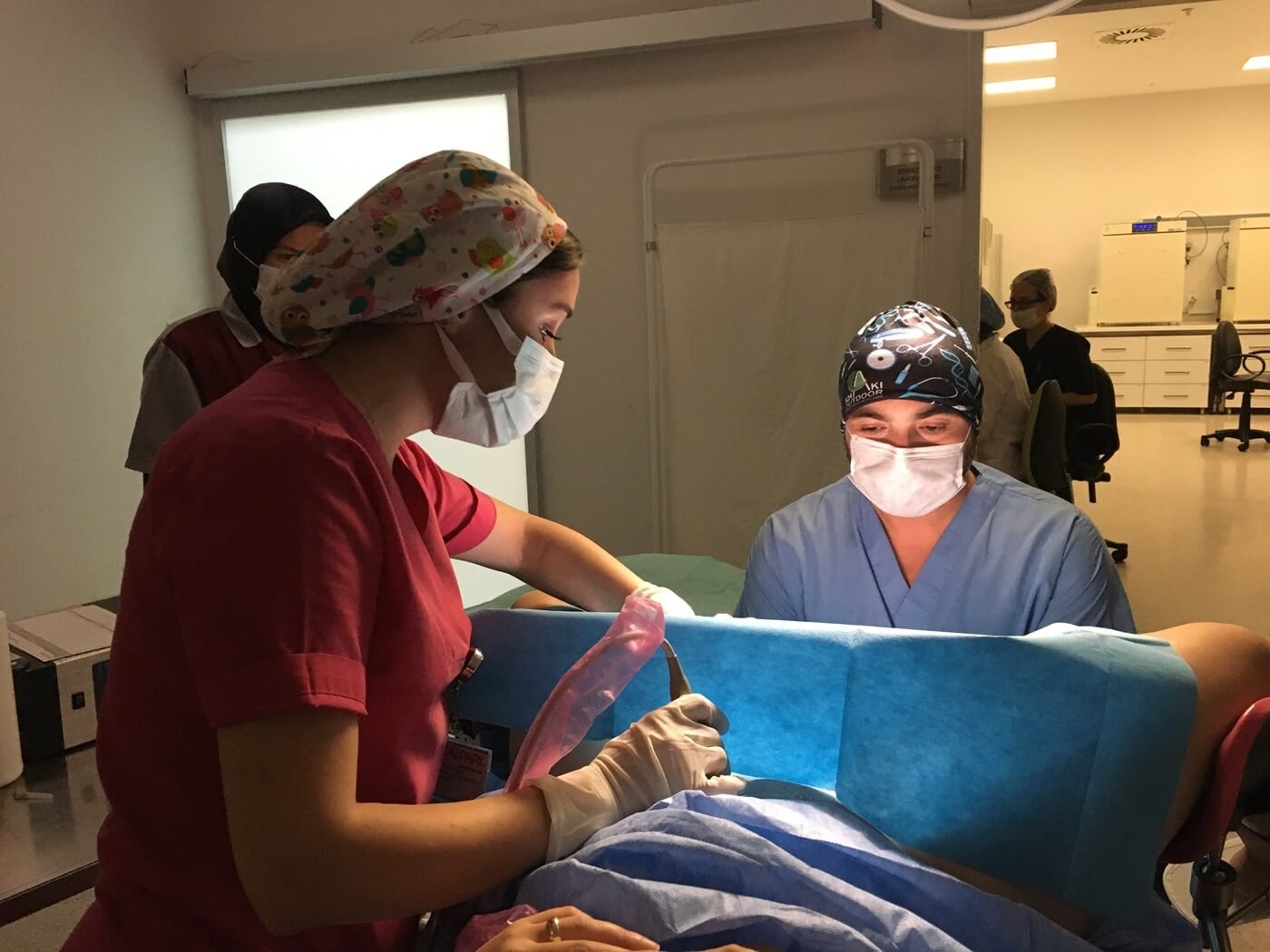
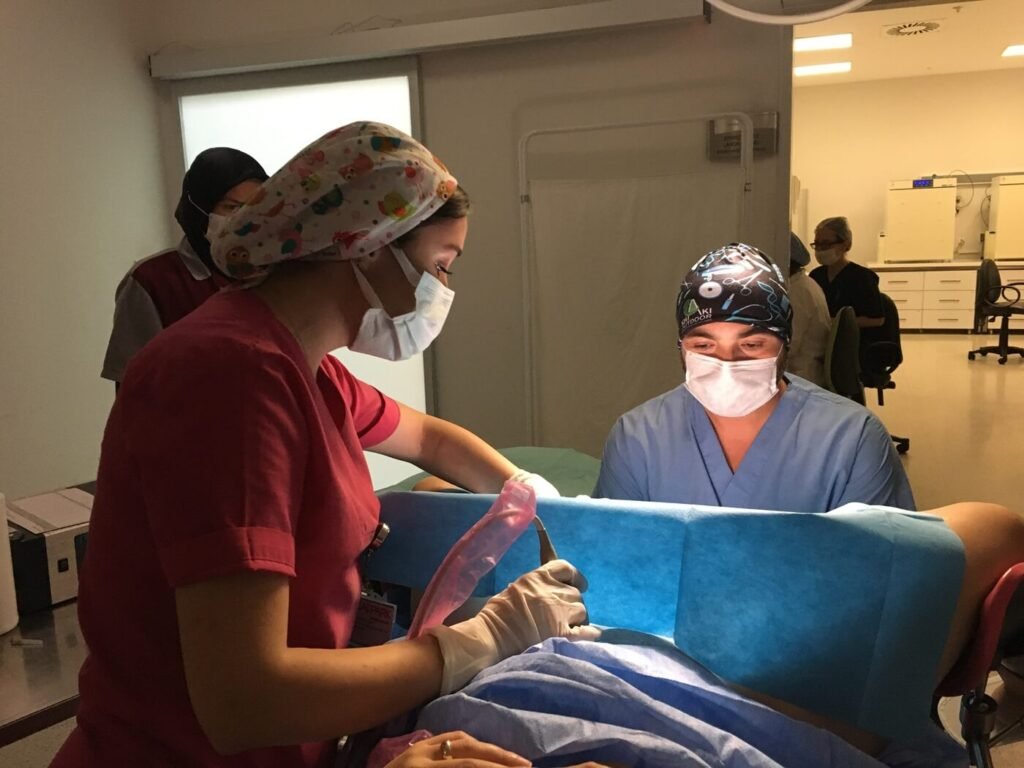
Egg retrieval is performed under sedation, and collected eggs are transferred to the laboratory for fertilization

Sperm is prepared in the laboratory to select viable sperm cells. In cases of severe male factor infertility, sperm may be obtained through surgical retrieval methods when indicated.

Embryologists carefully assess sperm quality before performing ICSI.

During the ICSI procedure, a single sperm is injected directly into each mature egg using a micromanipulation system. This process requires high precision and specialized laboratory expertise.

After injection, eggs are monitored to assess fertilization and embryo development.

Fertilized eggs develop into embryos over several days. Embryologists monitor embryo growth and quality during this period.

Embryo transfer timing and number are determined based on medical evaluation, embryo development, and patient-specific factors.

OUR COMMITMENT

Success Factors in ICSI Treatment

ICSI assists fertilization but does not guarantee embryo development or pregnancy. Outcomes depend on multiple factors, including:
Ethical fertility care requires that these factors are discussed openly with patients.

SERVICES

Risks and Considerations of ICSI

ICSI is generally considered safe when performed by experienced laboratory teams. However, it is not without potential risks or limitations.
Possible considerations include:
Patients are counseled about risks and limitations before proceeding.

OUR COMMITMENT

ICSI Cost Considerations in Turkey

ICSI treatment cost varies depending on medical needs, laboratory requirements, and whether additional procedures are required.
Patients should understand that:
Transparent discussion of costs is part of ethical fertility care.

HOW IT WORK

ICSI for International Patients in Turkey

International patients considering ICSI treatment in Turkey often require coordinated planning related to travel and scheduling.
Support may include:

Review of medical records before arrival

Scheduling treatment stages efficiently

Guidance on length of stay

Follow-up communication after return home

Medical suitability remains the priority, even when logistics are considered.

Ethical Use of ICSI

ICSI should be used based on medical indication rather than as a default option. Ethical fertility care involves avoiding unnecessary interventions and ensuring patients understand why ICSI is recommended.
Informed consent, transparency, and realistic expectations are essential components of responsible ICSI use.

Frequently Asked Questions About ICSI Treatment in Turkey

No. ICSI is used only when medically indicated.
No. ICSI assists fertilization but does not guarantee embryo development.
ICSI is generally considered safe when performed under proper medical and laboratory standards.
Yes, with appropriate medical evaluation and coordination.
ICSI improves fertilization in certain cases but does not guarantee pregnancy.

Follow-up consultation is provided to discuss outcomes and possible next steps.

JOIN US TODAY

Planning ICSI Treatment in Turkey

ICSI is a valuable laboratory technique when used appropriately within IVF treatment. Understanding when it is recommended, how it works, and what its limitations are helps patients approach treatment with clarity and realistic expectations.
If you are considering ICSI treatment in Turkey, a medical consultation is the first step to determine suitability and discuss individualized treatment options.