
Preloader

PICSI Treatment in Turkey

PICSI (Physiological Intracytoplasmic Sperm Injection) is an advanced sperm selection technique used as part of IVF treatment in specific medical situations. For patients considering fertility treatment in Turkey, PICSI may be discussed when there are concerns about sperm quality, fertilization outcomes, or embryo development in previous IVF cycles.
PICSI is not a standalone fertility treatment and not a guarantee of pregnancy. It is a refined laboratory method that builds upon ICSI by selecting sperm based on physiological maturity rather than appearance alone.
This page explains what PICSI treatment involves, how it differs from ICSI, when it may be recommended, and what patients—especially international patients—should understand before choosing PICSI in Turkey.

OUR COMMITMENT

What Is PICSI?

PICSI stands for Physiological Intracytoplasmic Sperm Injection. It is a laboratory technique used during IVF that helps embryologists select sperm based on their ability to bind to hyaluronan, a substance naturally present around the egg.
The underlying principle of PICSI is that sperm capable of binding to hyaluronan are more likely to be mature and have completed key developmental processes. These sperm are then used for fertilization via ICSI.
PICSI does not change egg quality, embryo genetics, or uterine factors. It is a sperm selection method, not a treatment for infertility itself.

DOCTOR-LED TRUST

PICSI vs ICSI: What Is the Difference?

Patients often ask whether PICSI is the same as ICSI. While the two techniques are closely related, they are not identical.

ICSI

PICSI

PICSI is performed before the ICSI injection step and does not replace ICSI. Instead, it enhances the sperm selection process when medically indicated.

OUR FUN FACTS

When Is PICSI Recommended?

PICSI is not used routinely for all IVF patients. It is considered when specific clinical factors suggest that sperm maturity or DNA integrity may be relevant concerns.
PICSI may be discussed in cases such as:
The decision to use PICSI is based on medical evaluation, not preference or routine practice.

DOCTOR-LED TRUST

Male Factor Infertility and PICSI

Male factor infertility plays a role in a significant proportion of infertility cases. While standard semen analysis evaluates sperm count, motility, and morphology, it does not fully assess sperm maturity or DNA integrity.
PICSI may be considered when there is concern that visually normal sperm may still have underlying functional or genetic issues. By selecting sperm that bind to hyaluronan, embryologists aim to choose sperm that are more developmentally mature.
It is important to understand that PICSI does not correct sperm abnormalities or eliminate genetic risks. It is a selection technique, not a cure.

How PICSI Treatment Works in Turkey

PICSI treatment in Turkey follows internationally accepted IVF laboratory standards and is performed within regulated IVF units as part of an IVF cycle.

The process integrates seamlessly into standard IVF and ICSI workflows.

PICSI is considered only after a detailed fertility evaluation of both partners. This includes review of:

Semen analysis and sperm quality

Previous IVF or ICSI outcomes

Medical and reproductive history

Any relevant genetic or pregnancy loss history

At drgonenc.com, treatment planning—including the discussion of PICSI—is guided by specialist assessment under the care of Dr. Ali İhsan Gönenç, with a focus on medical indication and patient understanding.

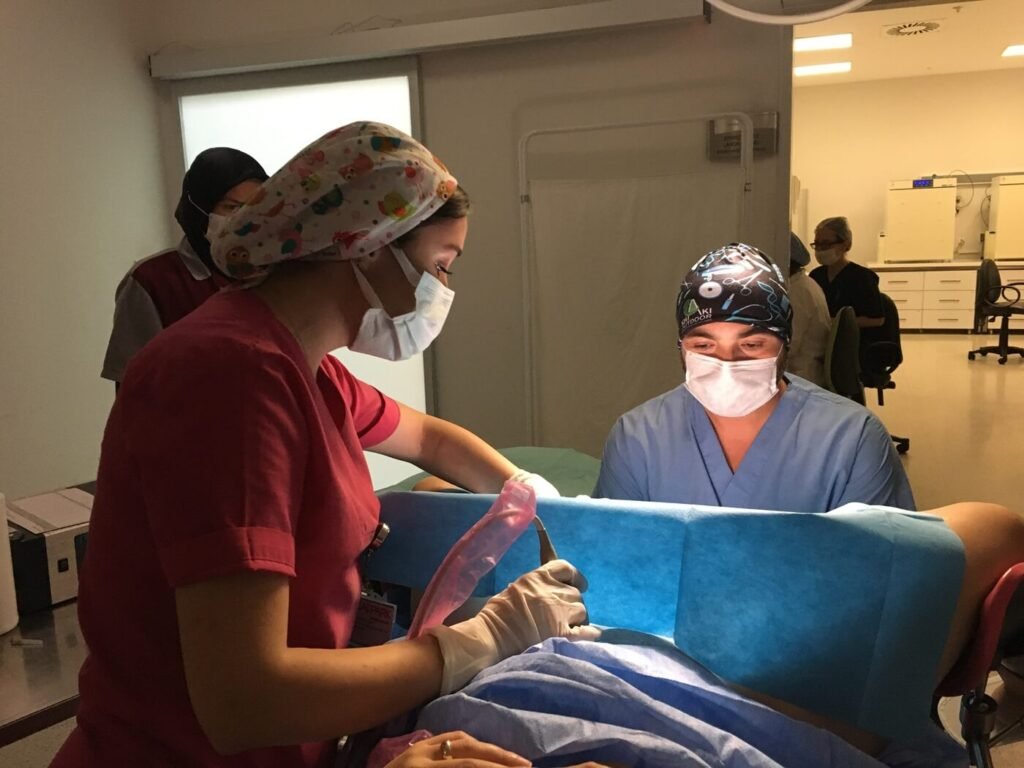
PICSI does not change the ovarian stimulation or egg retrieval steps of IVF. Eggs are retrieved under sedation and transferred to the laboratory for fertilization.

Egg quality remains a key factor in embryo development, regardless of the sperm selection method used.

On the day of fertilization, sperm is prepared in the laboratory. During PICSI, sperm are placed in contact with hyaluronan-coated dishes.

Sperm that bind to hyaluronan are considered physiologically mature and are selected for fertilization. These sperm are then used in the ICSI injection process.

Not all sperm will bind, and selection is based on laboratory observation and protocol.

Once suitable sperm are selected using PICSI, fertilization proceeds using standard ICSI techniques. A single selected sperm is injected into each mature egg.

Embryos are then monitored for fertilization and development, following standard IVF laboratory protocols.

Embryo development is assessed over several days. PICSI does not guarantee embryo development or implantation, and outcomes depend on multiple factors.

Embryo transfer timing and decisions are based on medical evaluation, embryo quality, and patient-specific factors.
DOCTOR-LED TRUST

Potential Benefits and Limitations of PICSI

Potential Considerations

Limitations

Understanding both benefits and limitations is essential before proceeding.

OUR COMMITMENT

Risks and Safety Considerations

PICSI is considered safe when performed by experienced embryology teams. The procedure itself does not add significant physical risk beyond standard IVF and ICSI.
Considerations include:
Patients are counseled to ensure informed consent.

SERVICES

PICSI Cost Considerations in Turkey

PICSI is typically an additional laboratory procedure within IVF treatment. Costs vary depending on clinic protocols and individual treatment plans.

Patients should understand:
Transparent cost discussion is part of ethical fertility care.

OUR COMMITMENT

PICSI for International Patients in Turkey

International patients considering PICSI in Turkey benefit from structured IVF planning and coordinated care.
Support may include:
Medical indication remains the priority over logistical convenience.

HOW IT WORK

Ethical Use of PICSI

PICSI should be used responsibly and only when medically justified. Ethical fertility care avoids unnecessary add-on procedures without clear clinical reasoning.
Ethical principles include:

Avoiding routine use without indication

Clear explanation of potential benefits and limits

Informed patient consent

Transparency regarding costs and expectations

PICSI is a medical tool, not a promise of success.

Frequently Asked Questions About PICSI Treatment in Turkey

PICSI is not inherently better. It may be useful in specific cases but is not necessary for all patients.
No. PICSI does not guarantee fertilization, embryo development, or pregnancy.
PICSI is generally considered safe when performed by experienced laboratory teams.
Patients with repeated fertilization issues or specific male factor concerns may be considered.
Yes, with appropriate medical evaluation and planning.

JOIN US TODAY

Planning PICSI Treatment in Turkey

PICSI is an advanced sperm selection technique that may be considered in specific IVF cases. Understanding when it is recommended, how it works, and what it cannot guarantee helps patients make informed decisions.
If you are considering PICSI treatment in Turkey, a medical consultation is the first step to determine whether this technique is appropriate for your individual situation.